October 14, 2026 · Coreventra
Winery Website Template vs Custom Design in Essex County, Ontario
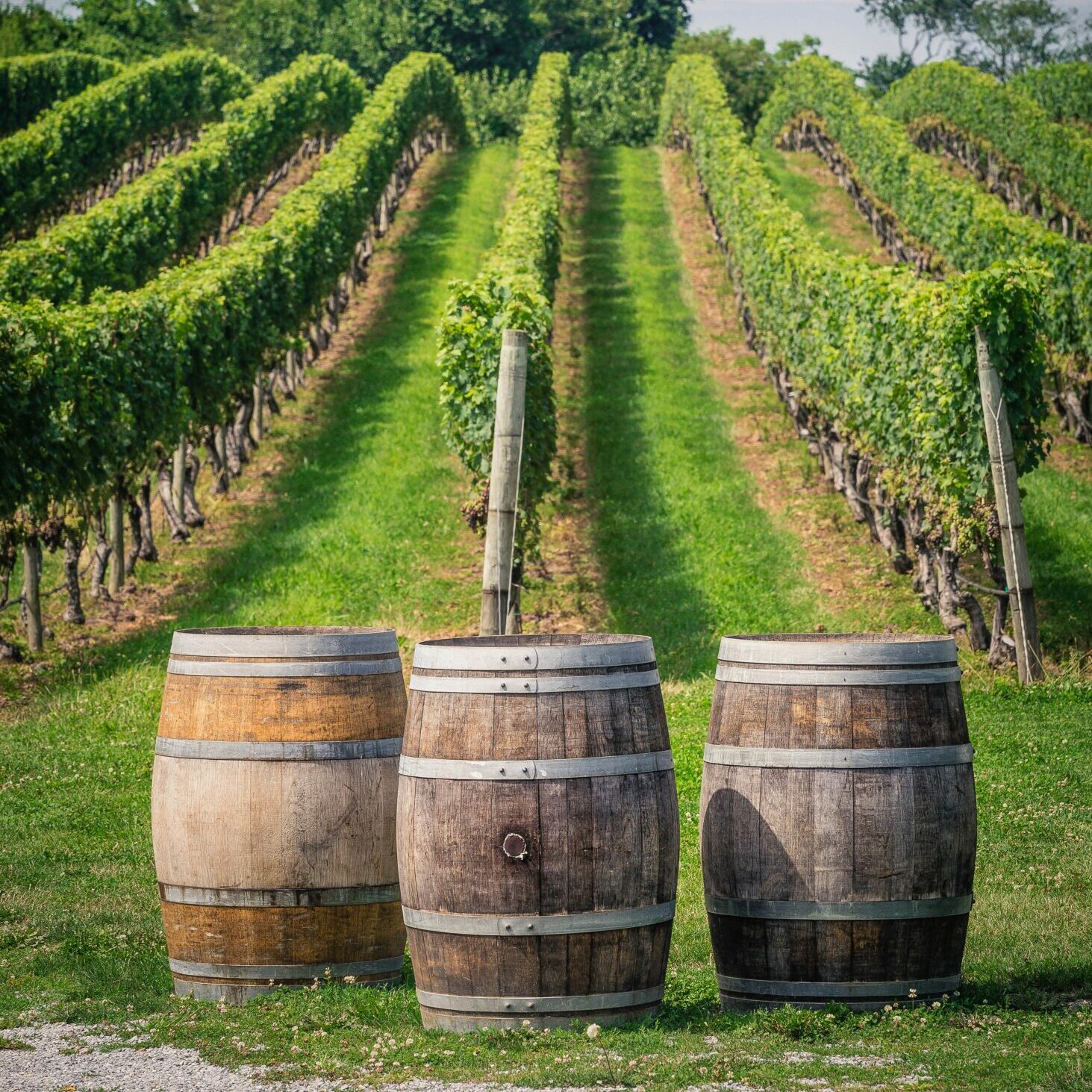
Illustrative photo.
The winery website template vs custom design Essex County Ontario wineries weigh up is a real decision with real money on both sides. Templates promise speed and savings; custom design promises uniqueness and flexibility. The right answer depends on your winery's size, ambitions, and how central the website is to your sales. Here is an honest comparison.
There is no universally correct choice. A template site done well beats a custom site done badly, and an expensive custom build is wasted on a winery that needed something simple. What matters is matching the approach to your actual needs.
Below is what each option really involves, where each shines, and how to decide without regret.
Winery Website Template vs Custom Design Essex County Ontario: What Template Means
A template is a pre-designed website layout you adapt with your content, colours, and images. Modern templates are professionally designed and mobile-friendly, and a good one can look genuinely attractive with strong winery photography.
The main advantage is cost and speed. A template-based winery site typically costs $1,500 to $3,500 and can launch in two to four weeks, since the design foundation already exists. For tight budgets and timelines, that matters.
The main drawback is sameness. Templates are used by thousands of businesses, and even with your photos, the structure and feel can resemble other sites. For a winery selling uniqueness and place, looking generic is a real cost.
Flexibility is limited. Templates allow customization within their structure, but unusual layouts, specific booking flows, or distinctive interactions are often impossible without breaking the template. You adapt your needs to the template, not the reverse.
Long-term, templates can constrain growth. Adding online wine sales, a sophisticated booking system, or custom integrations to a template site often means fighting the template or rebuilding anyway.
Winery Website Template vs Custom Design Essex County Ontario: The Custom Option
Custom design means every layout, interaction, and page is designed specifically for your winery, then built to match. The site reflects your brand, your property, and your customer journey rather than a generic pattern.
The advantage is differentiation and fit. Your booking flow works exactly how your tasting room operates. Your wine club signup matches your membership structure. The site feels like your winery because it was designed from your winery outward.
The trade-off is cost and time. Custom winery sites typically run $2,500 to $6,000 for brochure sites and $6,000 to $15,000 with ecommerce, taking six to twelve weeks. You are paying for design thinking, not just assembly.
Custom sites also tend to perform better technically. Clean, purpose-built code usually means faster loading, better search optimization, and easier maintenance than a template loaded with features you do not use.
The risk is hiring the wrong designer. Custom work magnifies both talent and incompetence. A great custom designer transforms your business; a bad one delivers an expensive disappointment. Vetting matters enormously.
When a Template Is Enough for Your Winery
Your budget is genuinely tight and the alternative is no website or a badly outdated one. A good template site today is infinitely better than a broken custom site from 2012.
Your needs are simple: hours, directions, wine list, events, contact, and basic email capture. If you do not sell wine online and take bookings by phone, a template covers everything you need.
You are testing the waters. A new winery validating its concept can launch on a template and invest in custom design once the business model is proven and the budget exists.
You have strong photography and copy ready. Templates look dramatically better with excellent content; the design matters less when the imagery and writing carry the experience.
You plan to rebuild within a couple of years anyway. If a bigger investment is planned once revenue grows, a template is a sensible bridge rather than a premature commitment.
When Custom Design Pays Off for Wineries
You sell wine online or plan to soon. Ecommerce, age verification, shipping logic, and checkout optimization benefit enormously from purpose-built design. Template shops work, but custom shops sell better.
Bookings are central to your business. If tastings, tours, and private events drive your revenue, a booking flow designed around your exact operation converts better than a generic widget squeezed into a template.
Your brand is your differentiator. Estate wineries with a strong story, distinctive architecture, or premium positioning need a site that feels as special as the place. Templates dilute distinctiveness.
You need integrations: POS, wine club software, email marketing, event ticketing. Custom builds accommodate real business systems cleanly; templates accommodate them awkwardly or not at all.
You are competing for destination visitors. When tourists choose between wineries partly on website impression, a distinctive, excellent site is a competitive weapon, not a luxury.
Related: whichever approach you choose, the strategy stays the same. Our winery website design guide for Essex County, Ontario covers what the site must achieve, and custom web applications are where we build the fully custom option.
The Hybrid Approach Many Wineries Choose
Start with a customized template for speed, then invest selectively in custom elements: a bespoke homepage, a tailored booking flow, custom wine club pages. You get most of the custom feel at a fraction of the cost.
Another hybrid: custom design on a standard, well-supported platform. The design is unique to you while the underlying system is proven and maintainable. This is often the sweet spot for growing wineries.
Phase the investment: template now, custom redesign in two to three years funded by the revenue the first site generates. The template proves what works before you invest heavily.
Invest the savings in content. A template site with professional photography and excellent copy will outperform a custom site with stock photos and thin writing. Content is the great equalizer.
Whatever the approach, insist on ownership, training, and clean technical foundations. Those matter more long-term than whether the layout started from a template or a blank page.
Our winery website design guide for Essex County, Ontario will help you decide which approach fits, whatever your budget.
Frequently Asked Questions
Will visitors know our site uses a template?
Probably not consciously, especially with strong photography and copy. But they may feel a vague sameness compared to other sites, and you will feel the constraints whenever you want something the template was not designed for.
Is custom design always better for SEO?
Not automatically, but custom builds tend to have cleaner code, faster loading, and better-structured pages, all of which help search performance. A well-built template with good content can still rank well; a bloated template cannot.
Can we start with a template and go custom later?
Yes, and many wineries do exactly this. Plan for it: keep your content, imagery, and customer data portable, and choose a template on a platform that allows migration. The transition is smoothest when the first site was built with an exit in mind.
How do we choose between template designers?
Look at their winery or hospitality work specifically, ask what they customize versus what stays stock, and check that they handle the technical basics: speed, mobile, security, and training. The designer's judgment matters more than the template they start from.
Template or custom, the goal is the same: a site that brings visitors through your door and sells your wine. If you want help choosing, Get a free quote and we will recommend the right approach for your situation.